
Yoga Anatomy Training Videos

The importance of understanding anatomy and alignment in yoga can't be overstated. Once you explore your body—its makeup and how it works—you can begin to understand how to move and hold yoga poses with ease, and with a lower risk of injury. Knowledge of anatomy is a key element to progressing safely in yoga. Once you master this, your abs will start to get stronger and flatter faste, you won't experience back pain or low back injuries during workouts, and you'll be able to perform more complex exercises easily.

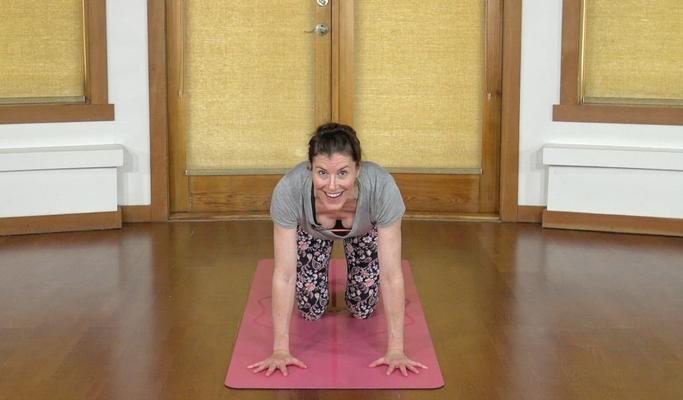
Core Activation Part I: The Pelvic Floor photo
How do we ensure that we don't get injured when we do yoga? This Core Activation Series guides you through the step by step process of how to become aware of your core muscles, how to strengthen them and how to use them to protect your body from injury.
Core Activation Part II: The Transversus Abdominis muscle.
Many experts consider the transversus abdominis to be the most important and most effective muscle for providing support for the lower back. It wraps around the waste and cinches in like a girdle, applying pressure as it squeezes, encouraging the spine to bend in a healthy way.
Core Activation Part III: The Multifidus photo
The Multifidus is a deep core muscle that provides support from the back, pulling the lower spine toward the center of the body. When working together with the other core muscles, they create a cylinder of pressure through the lower part of the torso.
Core Activation Part IV: Putting it all Together photo
Once we learn how to activate the core muscles individually, we can then contract them together to effectively provide support for the spine. If you want to prevent low back pain, injuries, improve performance, and flatten your abs, watch this video to see how its done.
Activating the Core for Yoga Practice.
One of the keys to activating the core muscles in an effective, healthy way is learning how to hold them on gently - at about 50% of their maximum. This way we know that we are not incorporating other muscles that dont provide support and we also know that they won't tire out quickly.
Activating the Core Principles for Yoga
Can we activate our core muscles when we do anything... from doing yoga to lifting heavy objects to playing with our children? This video will start you off on that path. There is much to learn as you explore the relationship between your core muscles and the rest of your body.
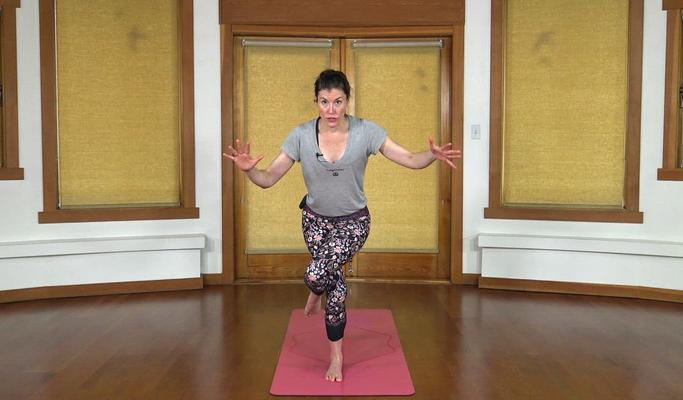
Core Activation, Part 7
Once you have practiced the exercises you learned in Core Activation Part VI, move onto this one, where we move the legs simultaneously, It is considerably more difficult, so dont rush into it. Make sure you can keep your core muscles engaged throughout.
Core Activation, Part 8
Why do we need to know this? When will it come into use? How does my body benefit from learning how to activate and strengthen the core muscles? Learn the answers to these questions and more in this video.
Head and Neck Alignment photo
If you get headaches or have neck and shoulder pain, it could be due to the way you are positioning your head. The head is quite heavy and when misaligned can create stress in the cervical vertebrae. This videos gives you cues to help you feel what proper head and neck alignment is like.
Yoga Anatomy of Headstand Pose (Sirsasana) photo
Have you ever wondered what happens to your blood pressure and circulatory system when you are in headstand pose (sirsasana)? This yoga video covers the physiology of the blood vessel and how being upside down makes it easier for the heart to return blood back to itself.
Yoga Anatomy of Headstand and Breathing photo
You may have noticed that when you're in headstand it's difficult to take a deep breath. In this video, David talks about what is happening in the body to make it so hard to breathe deeply when in Sirsasana.
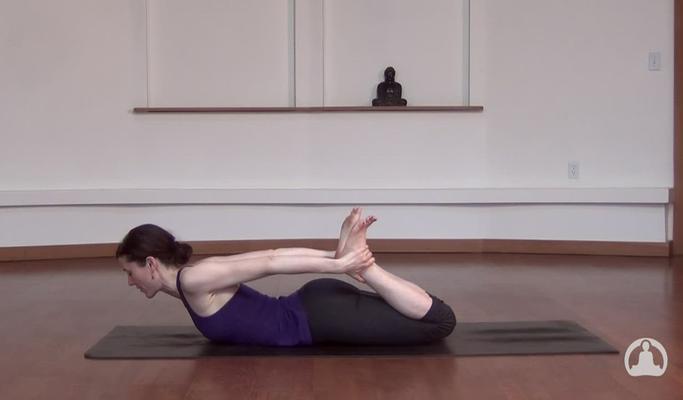
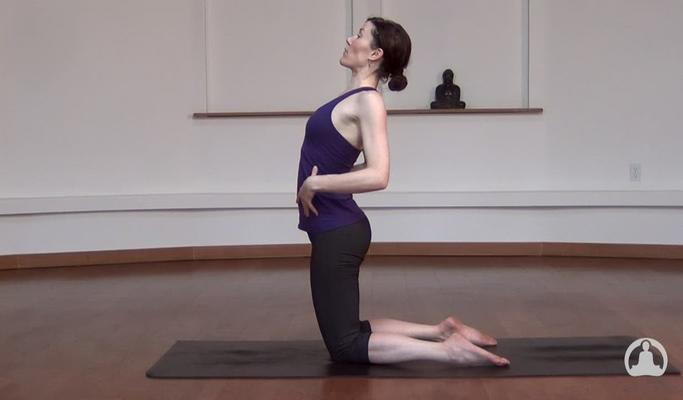
Yoga Backbend Tutorial | Yoga Video photo
This video demonstrates how to backbend in a way that deepens the stretch while doing it safely. We begin with a standing, full-body backbend, which allows us to pay closer attention to particular components of the pose, emphasizing how to lengthen the spine and protect the lower back.